

Purification (Taharah) Course Outline for General Muslims
Certainly! Below is the “Purification (Taharah) Course Outline for General Muslims”
specially designed for online learning. It covers essential topics in a simple, practical, and accessible way.
Taharah Course for General Muslims – Online Course Outline
Course Title: Islamic Purification (Taharah) – A Practical Guide for Every Muslim
Duration: 6 weeks (3 classes per week, each 40– minutes)
Course Objectives:
- To teach the basic Islamic principles of purification.
- To educate about Wudu, Ghusl, and Tayammum with proper method.
- To clarify common daily issues related to cleanliness and impurity.
- To understand the importance of Taharah in acts of worship.
Add Your Heading Text Here
Special Child Care
Special Children is to help children with needs thrive through compassion
Charity & Donation
Special Children is to help children with needs thrive through compassion
Education for Poor
Special Children is to help children with needs thrive through compassion

Course Outline (Lesson-wise Details)
- Virtues of cleanliness in the Qur'an & Sunnah.
- Inner and outer purity.
- Difference between pure (Tayyib) and impure (Khabīth).
- Types of water: pure, impure, clean but not purifying
- Rulings of rainwater, well, tap, river, Zamzam
- What to do when water is scarce?
- Real (physical) impurities: blood, urine, stool, etc.
- Ritual impurity: being without wudu or in a state of Janabah
- How to purify clothes, body, floor, bedding
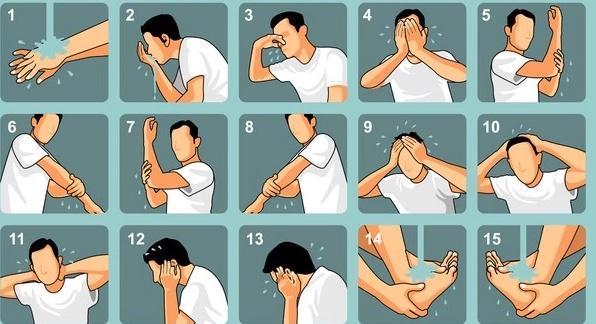
- Fardh (4), Sunnah (8+), and Mustahabb acts of Wudu
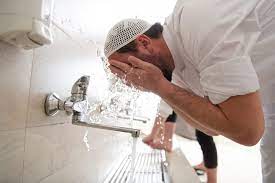
- Practical step-by-step Wudu method
- Things that nullify Wudu
- Common mistakes during Wudu
- When Ghusl becomes obligatory: Janabah, menstruation, postpartum bleeding
- Obligatory parts and Sunnah method of Ghusl
- Signs that Ghusl is required
- Cautions during Ghusl
- When Tayammum is allowed
- Method and intention
- Common situations and rulings
- Sunnah way of cleaning private parts
- Using left hand, water, stones/tissue
- Toilet etiquettes and related duas
- Avoiding extremism or negligence in cleanliness
- Role of purity in Salah
- Rules for touching and reciting the Qur’an
- Entering the mosque in a state of purity
- Purity in Ramadan and other acts of worship
Assessments & Practice:
- End-of-lesson short quizzes
- Real-life case studies (e.g., “What to do if Wudu breaks during prayer?”)
- Final oral/written test
At Course Completion:
- Basic certification
- Students become confident in handling purification issues
- Solid foundation for further Islamic learning